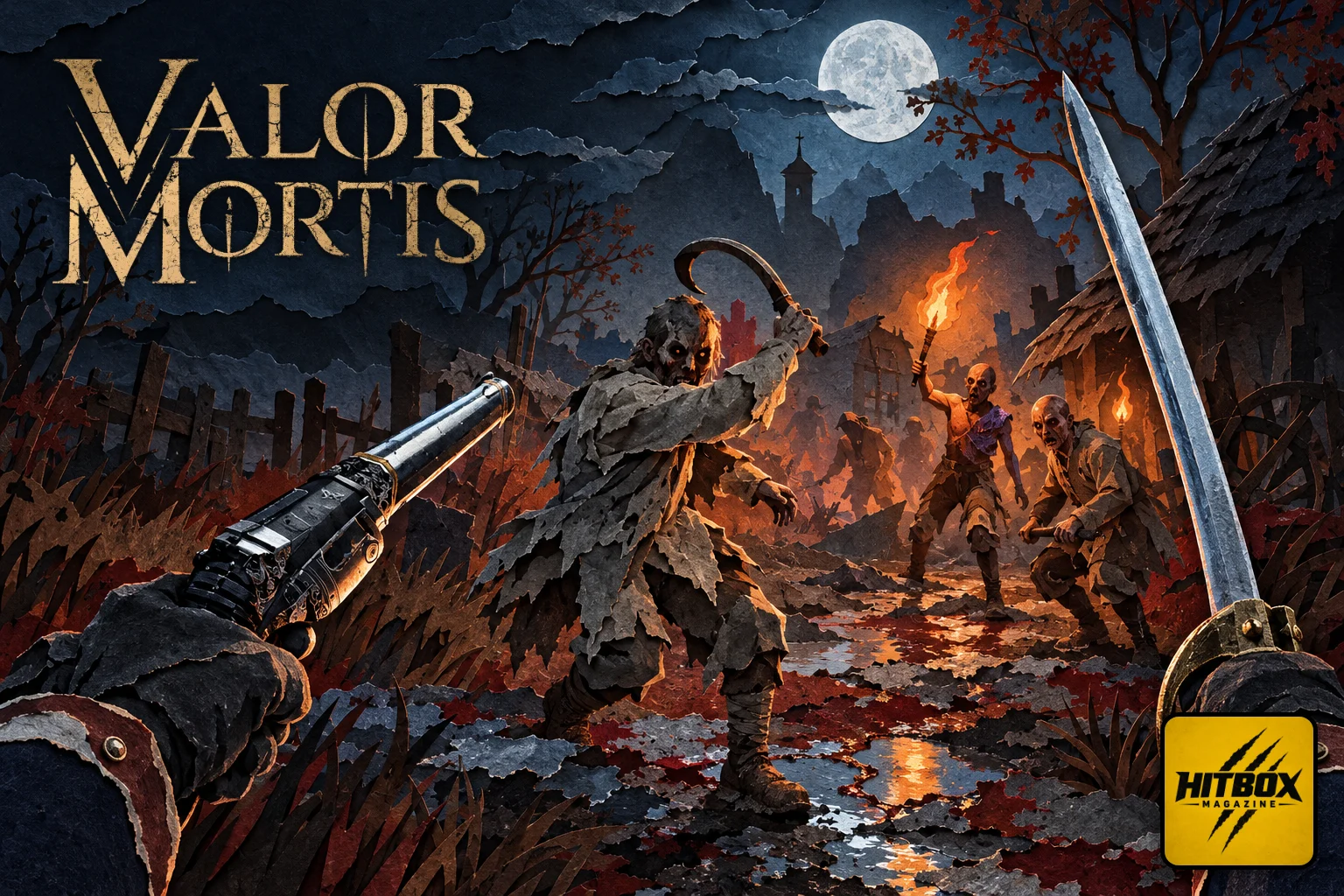
A first-person soulslike set in a Napoleonic Europe ravaged by a supernatural plague: on paper, Valor Mortis looked like a real gamble. Polish studio One More Level, best known for Ghostrunner, shakes up the genre’s habits by changing the point of view, and it works. The game feels smooth and sometimes frantic, and the first-person camera finally lets you feel just how huge the bosses in front of you are. A few flaws do grate, starting with a thin bestiary and some loading screens that break the pace. Still, the whole package is solid and well thought out, and it innovates while keeping everything that makes soulslikes tick.
At a glance
Valor Mortis pulls off its first-person soulslike gamble, built on a very effective parry system.
Its dark, polished art direction recalls Lies of P, BioShock and Dishonored.
The bestiary is a little thin, and there’s no map to help you backtrack.
Valor Mortis bets on first person and the gamble pays off
I’ll admit I had my doubts going into Valor Mortis. Soulslikes are usually played in third person, so you can keep an eye on your character and their surroundings. Switching to first person means seeing less and getting caught out more often. That’s exactly where the game finds its identity, though.
Fights become far more tense, and ambushes land brutally well: an enemy bursting out from behind a barn is something you discover at the last second, just like your character does. Against a boss, the first-person view changes everything, because you literally have to look up to see how far the creature towers over you. I’d never felt that sense of scale in the genre quite like this.
You play William, a soldier of the Grande Armée who rises from his grave with no memory, in an alternate Europe eaten away by a plague that turns the living into monsters. The story is enjoyable, unusual for a soulslike, and stays a little in the background. It’s carried by the atmosphere, the dialogue, notes scattered around and environmental details, enough to make you want to learn more about some of the characters. For the wider critical view, our round-up of the first Valor Mortis reviews covers the scores published at launch.
Parrying is the beating heart of every duel
In Valor Mortis, the whole combat system revolves around the parry. You chain parries, dodges, heavy attacks and critical hits, and when it all clicks, it’s genuinely thrilling. The game takes minutes to pick up but a long time to truly master. That’s exactly the balance you want from the genre.
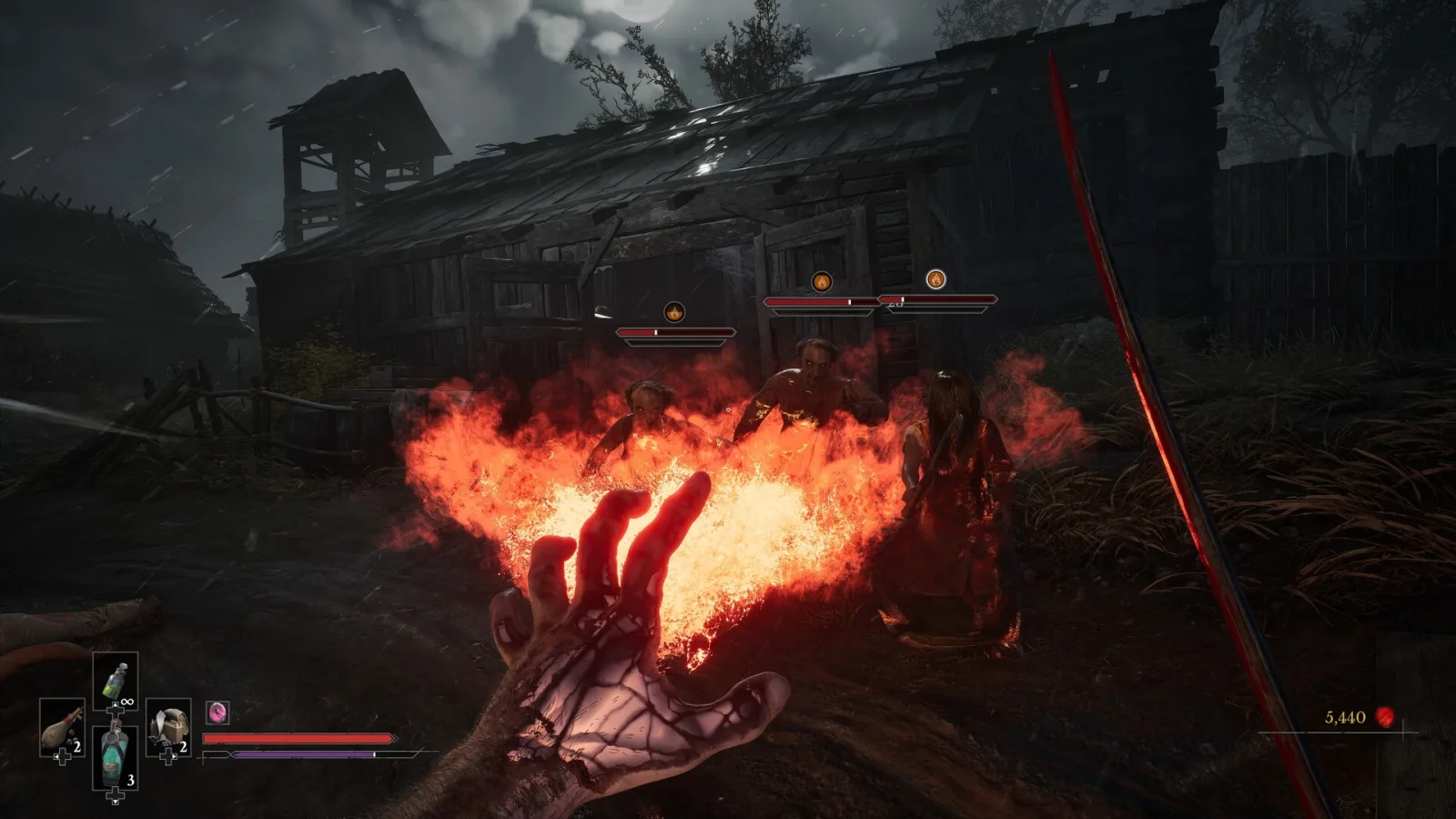
Be warned, though: the parry window can be strict, and some attacks are hard to read. You’ll miss parries you were sure you’d landed, especially early on. It’s part of the learning curve, and every fight you win after several attempts feels all the more satisfying for it.
The difficulty is uneven. Elite enemies are especially aggressive, and ranged attacks and ambushes can punish you hard. That said, once you’ve learned their patterns, the bosses in Valor Mortis are fairly manageable. My one regret is that there aren’t many of them.
Every weapon has a job to do
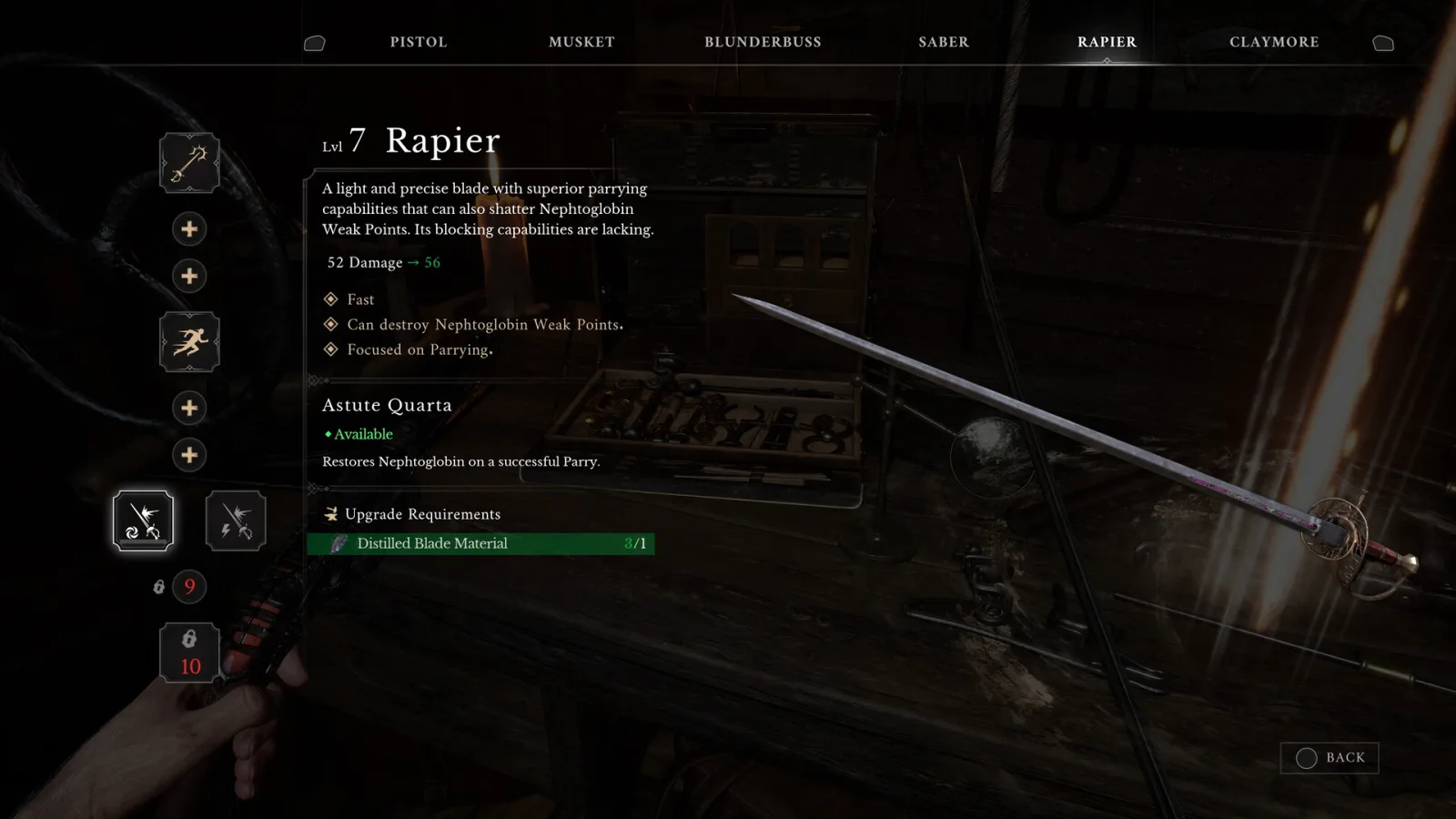
The Valor Mortis arsenal mixes melee weapons, firearms and magic transmutations, and it all fits together nicely. The sabre is the all-rounder, while the rapier encourages you to play aggressively. On the firearms front, the pistol, the blunderbuss and the musket each have their use, depending on range and enemy type. You end up swapping between them without a second thought, which is a good sign.
Progression and customisation are kept simple, and deliberately so. Skills, stats and ambers let you shape your playstyle without burying you in menus the way a traditional RPG would. For a game sold below full price on its official Steam store page, there’s a generous amount of content here.
Art direction in the vein of Lies of P
Visually, Valor Mortis blew me away. The dark, oppressive atmosphere recalls the excellent Lies of P, with touches of BioShock and Dishonored. The environments vary a lot, from battlefields and ruined villages to forests and caves. Every area has its own identity, and you’ll want to stop and take in the scenery.
Exploration follows the same thinking. The game’s levels are linked by clever shortcuts, and secrets reward you with upgrade resources. That joy of opening a passage that loops back to where you started is one of my favourite things about the genre, and the game nails it.
Exploring without a map is the real sticking point
The downside of exploring Valor Mortis is the lack of a map and quest markers. Whenever you need to backtrack to find a passage, you lose time, and it quickly becomes a chore. Some players enjoy that vagueness, but here it mostly makes backtracking needlessly long.
I’d already spent time with the demo before launch, and I can feel a clear difference in the final game, for the better: everything feels smoother and more polished. Movement could still use some work in the trickiest sections, but the progress since the demo is obvious. A few loading screens also break the pace, and I’d have loved not to see them. Finally, the bestiary is a little thin: you run into the same enemies a lot, and after a while they start to repeat.
Valor Mortis earns its score
Valor Mortis takes risks, and it’s right to. It’s a well-designed game that manages to innovate while keeping the genre’s strengths: a real parry system, bosses that impress, an arsenal where everything has its place and superb art direction. Its flaws are real, between the loading screens, the lack of a map and a slightly short bestiary, but they weigh little against how much fun it is to play. If you like soulslikes, this one clearly deserves your attention. And if you’re after another demanding indie soulslike, our False Hero review is worth a look too.

| What we like | What we like a lot less |
|---|---|
| A first-person view that lets you feel the full size of the bosses | Loading screens that break the pace |
| A precise and very rewarding parry system | A slightly thin bestiary |
| Dark, striking art direction in the vein of Lies of P | No map, which makes backtracking a chore |
| Quick to pick up, with mastery that takes time | Uneven difficulty, with very aggressive elite enemies |
| An arsenal where every weapon has a role, from sabre to musket | |
| Shortcuts and secrets that reward exploration | |
| What might make you buy itA soulslike that takes real risks with its first-person view while keeping the genre’s foundations | What might put you offEnemies that end up repeating themselves and a map you have to keep in your head |
To keep track of what is coming next, check the release calendar.