Dark Souls turned 15 on 22 September, and its legacy still tends to get boiled down to a single word: hard. That sells it short. What FromSoftware really changed in 2011 was how a world could be built, and how far a game could trust players to make sense of it on their own. Fifteen years on, dozens of games claim the genre it gave birth to, and plenty of them copied the punishment while leaving the rest behind. For me, that’s where the real lesson of Dark Souls lies, and it still matters for every studio drawing on it today.
At a glance
Dark Souls launched in Japan on 22 September 2011, developed by FromSoftware.
The trilogy had sold more than 39 million copies by the end of March 2025, according to Bandai Namco.
Its interconnected world and fragmented storytelling shaped the genre far more than its difficulty.
Dark Souls and a reputation that was always too narrow
First, the dates. Dark Souls launched in Japan on 22 September 2011, as FromSoftware’s press release on the series’ sales notes, before reaching the rest of the world with Bandai Namco as publisher. It was pitched as a spiritual successor to Demon’s Souls, and it ended up lending its name to an entire genre.
Its reputation, meanwhile, settled very early around failure. You die, you drop the souls you were carrying, and you have to go back for them without dying a second time. That rule became the game’s most famous feature, to the point of standing in for the whole game. I’d argue the heart of it lies elsewhere, in the world itself.
Plenty of games were tough before 2011, to be fair. What Dark Souls offered was difficulty that meant something within its world: every death taught you something about a place, an enemy or a shortcut. Punishment served exploration, and that link between the two is what the genre has often lost along the way.
Lordran, a world that folds back on itself
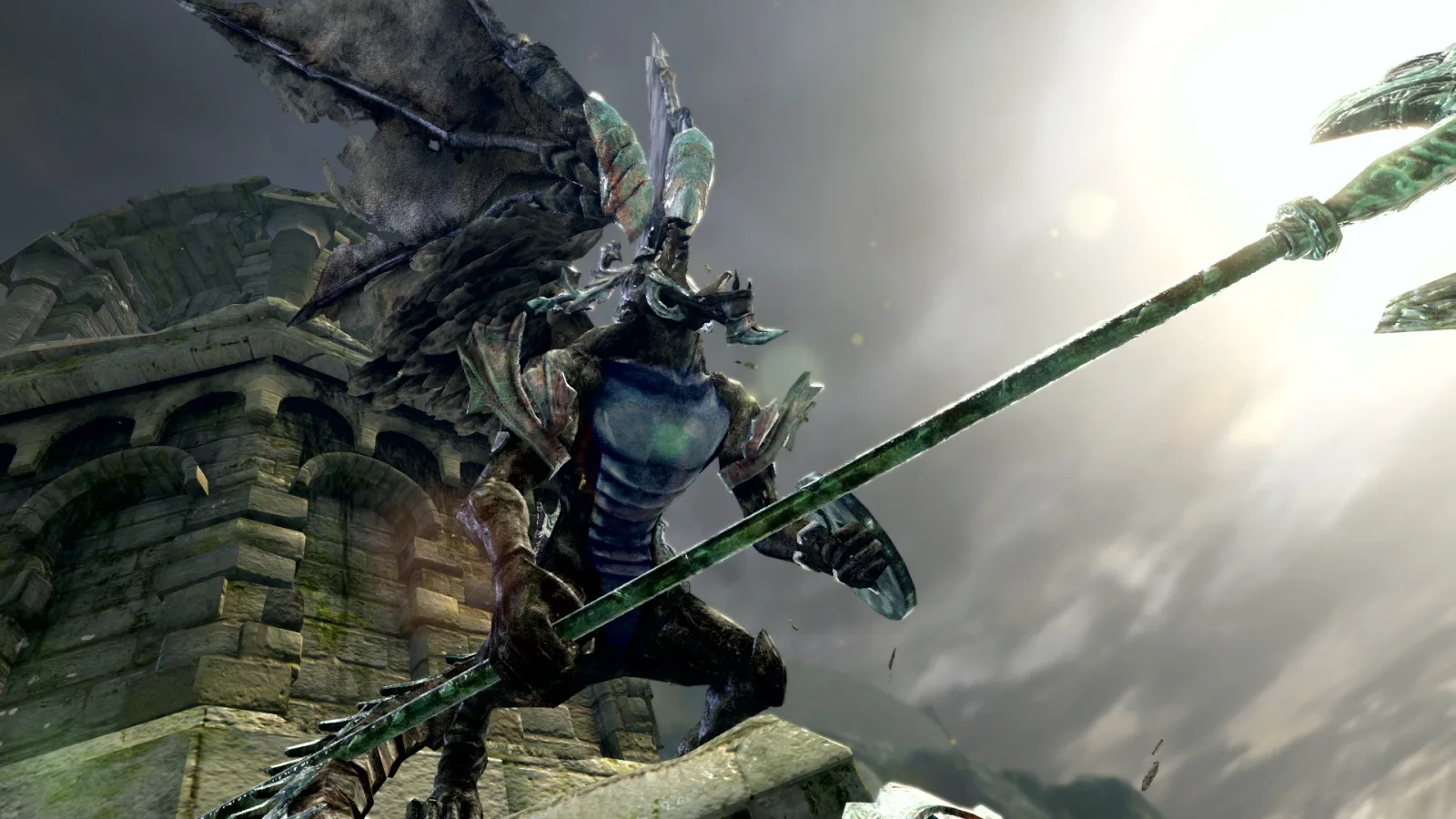
For me, the real stroke of genius in the game is Lordran. Brazilian site CriticalHits sums it up well in its anniversary piece: an interconnected world full of enemies, bosses and hidden areas. In practical terms, a door that’s been locked for hours suddenly swings open from the other side and drops you somewhere you already know. Bit by bit, you realise the whole world fits together.
Understanding a map without a map is a feeling few games have managed to recreate. Bonfires, which act as rest points and checkpoints, are scarce and precious, and every shortcut you open changes how you move through an area. The game rewards memory and observation far more than raw reflexes.
Storytelling follows the same logic. The plot lives in item descriptions, in a few cryptic conversations and in the architecture itself. Nobody explains Lordran to you, so players piece the puzzle together, often as a group. Messages left on the ground by other players, helpful or deliberately misleading, extend that idea of a community working the world out together.
What soulslikes kept from Dark Souls, and what they dropped
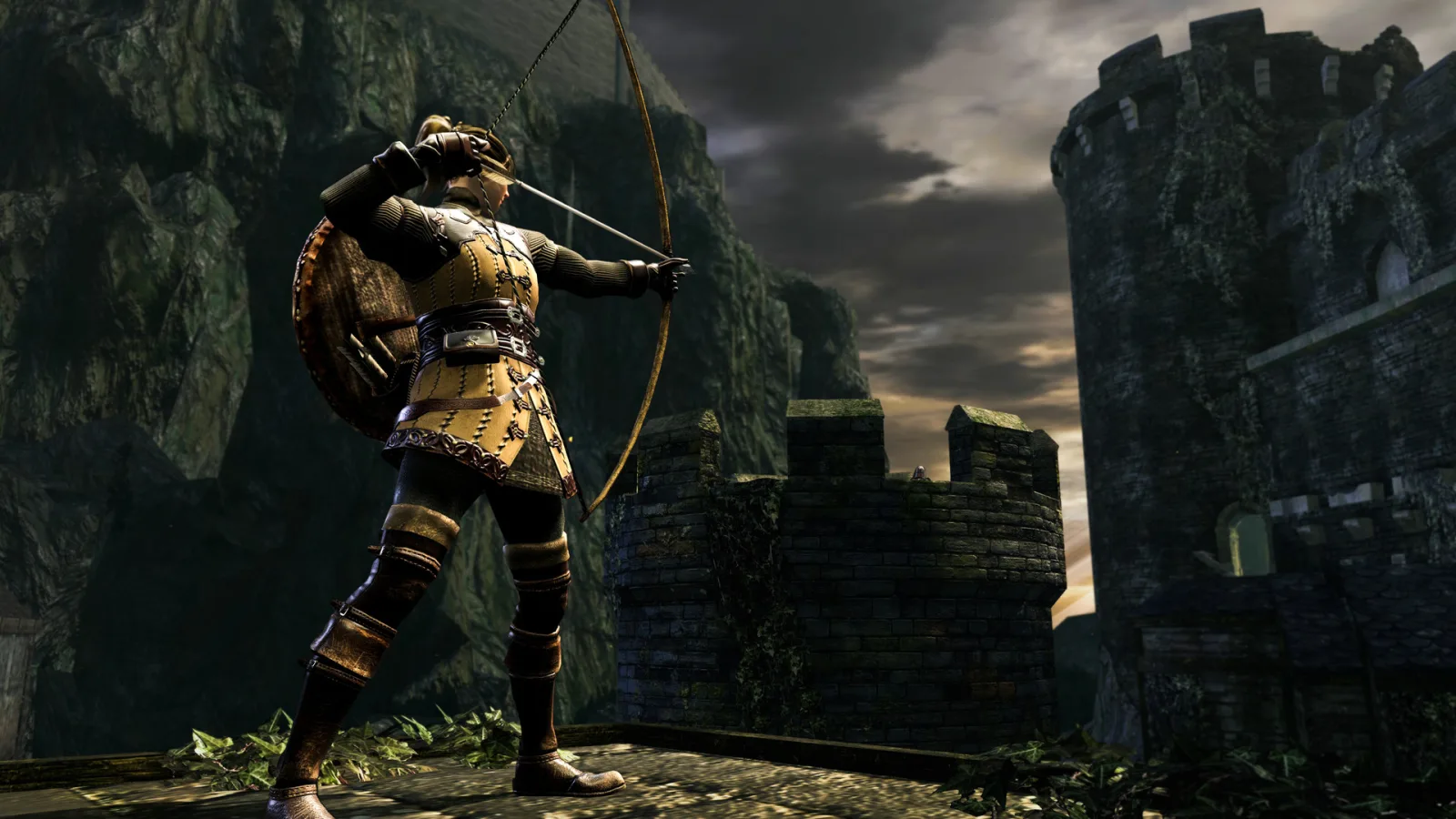
The word “soulslike” grew out of that success, and today it covers very different games. FromSoftware itself kept reshaping the formula with Bloodborne, Sekiro and Elden Ring, each with its own systems. Countless other studios picked up the costly deaths, the rest points that bring enemies back and the fights where you learn your opponent’s moves.
My gripe is that the recipe is often followed back to front. Stamina, the dodge roll and hard-hitting bosses all stay, then the whole thing is dropped into linear levels linked by a menu. Difficulty without the world to go with it quickly turns into a plain endurance test. I might be wrong, but the soulslikes that stick with people are the ones that also took care over their geography and their mystery.
The numbers show the audience has kept growing, either way. In that same May 2020 release, FromSoftware reported more than 27 million sales for the series, including over 10 million for Dark Souls III. According to KitGuru, citing Bandai Namco’s financial report, the trilogy stood at 39.71 million copies by the end of March 2025. Elden Ring, its most direct heir, has passed 30 million copies sold, as FromSoftware announced in April 2025.
Why Dark Souls is still worth playing in 2026
For a first run, the easiest way in is still Dark Souls: Remastered, released on PC in May 2018 according to its Steam page and published by FromSoftware and Bandai Namco. It replaced the old PC version, which, as PC Gamer recalls in its anniversary post, ran on Games for Windows Live, a Microsoft service few players remember fondly.
Fifteen years later, Dark Souls reads as a lesson in level design as much as a challenge. If one game should still be the benchmark for studios entering the genre, it’s this one, for its world far more than its deaths.
To see what’s landing over the next few weeks, the Hitbox release calendar lists every date with its official source.