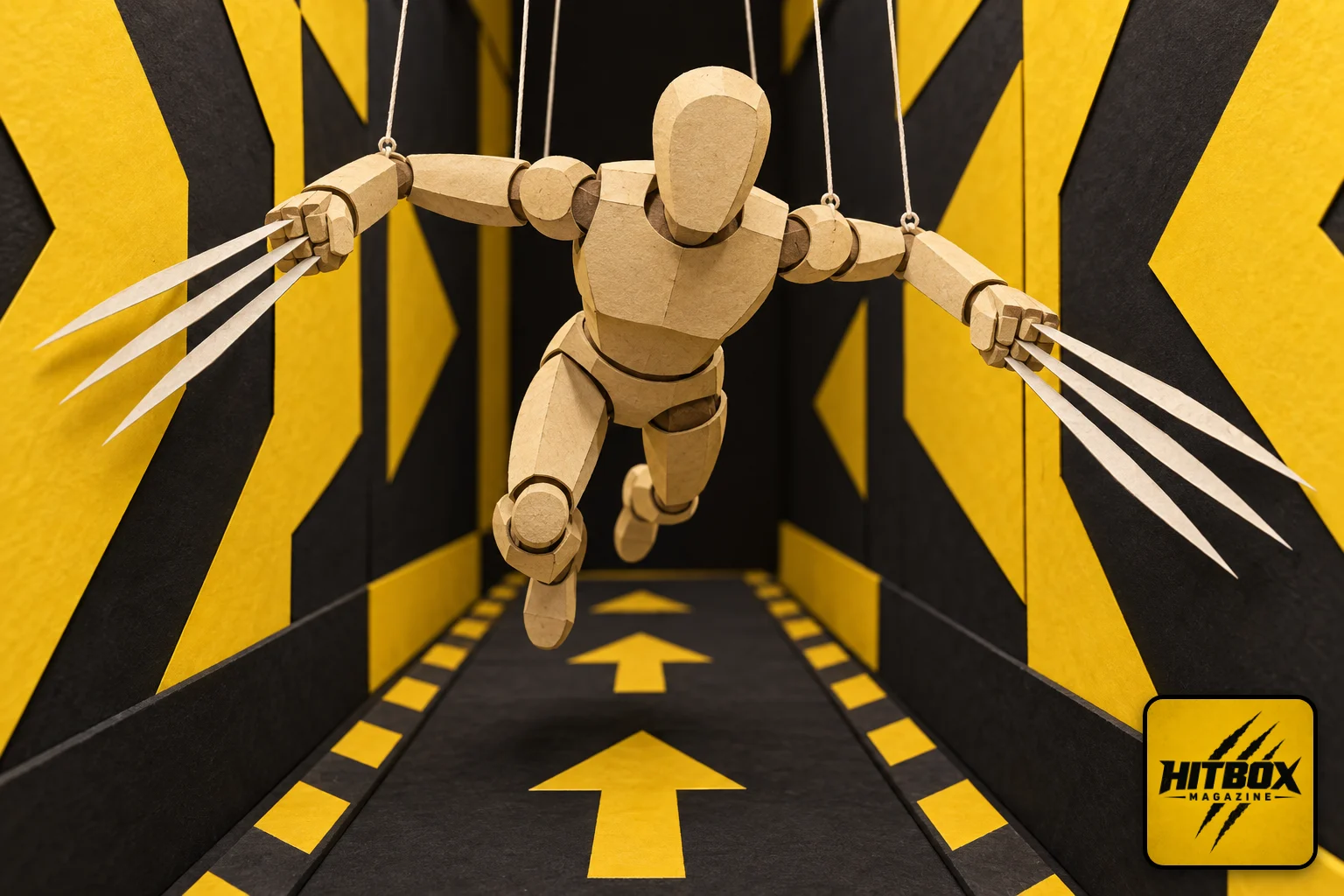
I have finished Marvel’s Wolverine, and Insomniac Games’ latest leaves an odd aftertaste. For the first few hours it delivers exactly what everyone wanted from it: you are Logan, you cut, you take punishment, you get back up. Then the campaign rolls on, the limits surface one after another, and nothing really arrives to renew the interest. Here is what works, what runs dry, and why Marvel’s Wolverine stays a good game without ever becoming the great one we were hoping for.
At a glance
Combat is brutal, weighty and enormously satisfying, and the fantasy of being Wolverine lands perfectly.
System depth, character progression and boss design do not hold up across the length of the campaign.
Expect roughly 15 hours for the story, up to 20 if you push the side content.
Marvel’s Wolverine hits hard, and that was the whole promise
Start with what works, because it is the heart of the game and it is a success. Blows land with real violence, impacts register, and Logan genuinely feels powerful in your hands. Every fight makes you feel like Wolverine rather than someone steering a character who resembles him. The violence serves the character here, it does not decorate him.
The parry is the best idea in the system. It is sharp, precise, and it delivers that very particular satisfaction of the move landed at exactly the right moment. The dodge, by comparison, disappoints. It lacks precision and is noticeably less pleasant to use, which naturally pushes you to build your whole defence around the parry alone.
The rage meter does its job properly. It opens genuine carnage sequences and gives the power fantasy the release valve it demands. These are the moments where the game comes closest to what it set out to be.
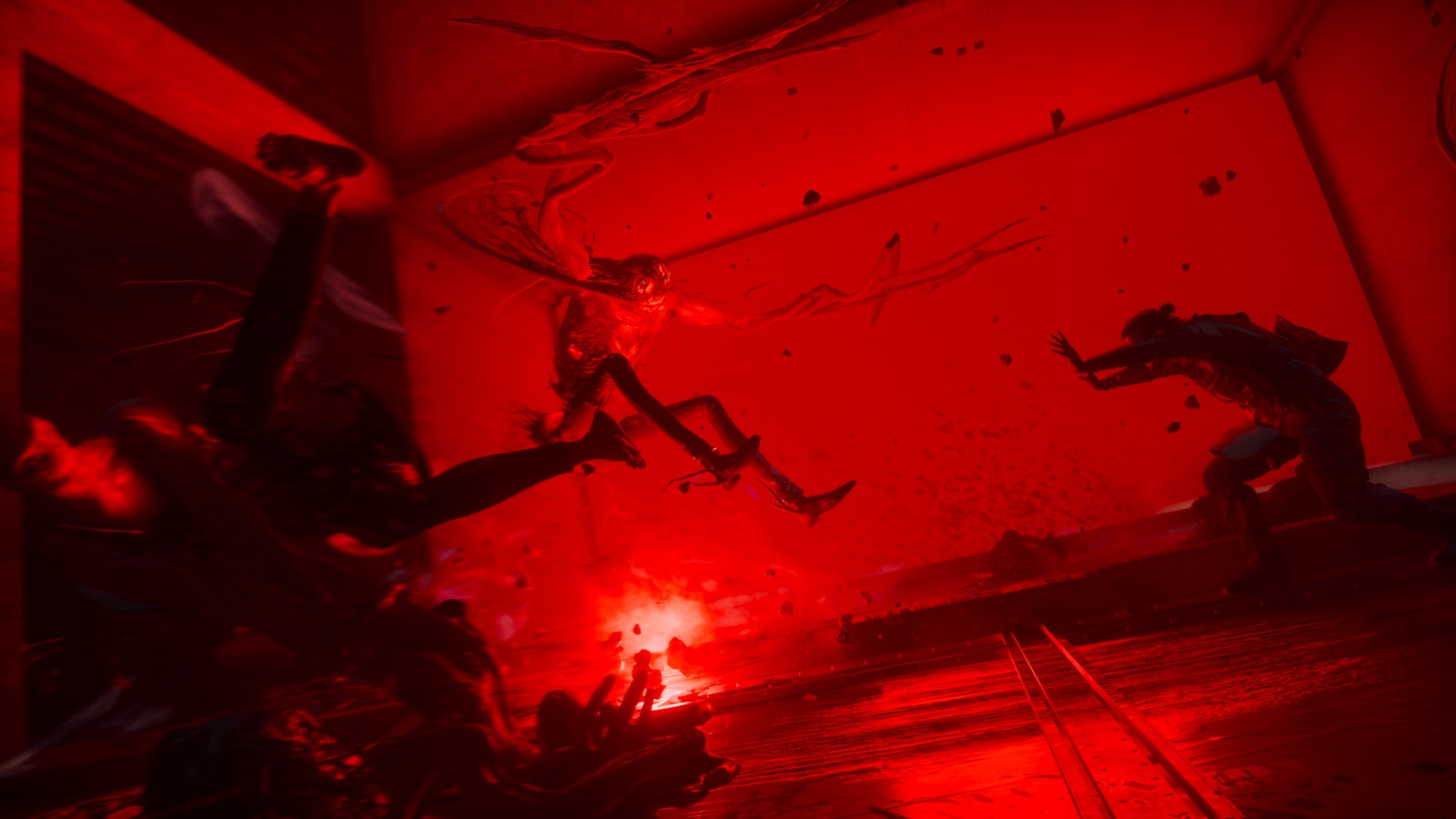
One reservation on readability. Some encounters get extremely busy, with a lot of enemies and simultaneous attacks, and chaos then takes over from actually reading the fight.
A combat system that runs out of depth well before the credits
The problem arrives quickly. The game offers plenty of moves and abilities, but you work through the genuine possibilities fairly fast. Past that point, fights lean on visual impact more than on depth, and the comparison with Spider-Man, the studio’s other major licence, does it no favours. There are simply fewer ways to vary your approach here.
Progression does not help. Abilities unlock at a steady rate, the curve is clean, and yet Logan does not feel fundamentally more powerful at the end than he did at the start. Unlocking a lot is not the same as growing stronger. That is probably the most frustrating letdown in the game, because it drains the meaning out of hours of supposed escalation.
The bosses could have made up for it. There are few of them, and several encounters lack genuinely interesting mechanics. You pass through without retaining much, where an action game of this calibre is usually remembered for its one-on-ones.
Level design that never lets go of your hand
This is the central complaint, and it weighs heavily. The game is extremely directed. You are guided constantly, and the real freedom you are given is very thin.
Exploration suffers directly. Some spaces give the impression of opening up, then invisible walls and unclimbable surfaces shut the door again. Seeing a route you cannot take is more frustrating than never seeing it at all.
Stealth, meanwhile, is barely there. Few dedicated mechanics, limited enemy intelligence, reduced options, and an almost identical conclusion every time, since it all ends up funnelling into combat. Treat it as a set-up phase rather than a real alternative.
To be clear, linearity is not the problem in itself. A linear adventure can work perfectly well. What grates is the hand-holding, not the absence of an open world. And the repetition in objectives and situations does start to tell as the campaign goes on. The whole thing still wraps up in about fifteen hours, twenty with more completion, and that is short for a game that promised this much. The side content, as we will see, is not there to close the gap.
Production values doing the heavy lifting
Visually and technically, the game impresses. Direction is carefully handled, environments are richly built, and characters carry a level of detail that makes the dialogue scenes convincing. This is the area where Insomniac Games clearly did not let go.
The voice work deserves credit, which is not always a given. Performances hold up across the whole campaign, even if a handful of lines land less convincingly than others.
The story, on the other hand, leaves you wanting. The lore and the characters are interesting, and the fan service is generous for anyone who knows the source material. But certain stretches are predictable, and the moments reaching for emotion do not always connect.
Side content, finally, stays thin. Costumes, collectibles and the Nightmare Doors extend the experience a little, without amounting to real secondary activities. Anyone hoping to linger in Madripoor after the credits will find few reasons to.
Verdict: a good game living off its instant thrill
Marvel’s Wolverine bets almost everything on the immediate pleasure of being Wolverine. Slicing, parrying, healing, letting the rage out and enjoying a big-budget presentation: on that ground the promise is kept, and the opening hours are excellent. The closer you look at the structure and the depth of the systems, the more the limits show.
I might be wrong on one count, and it is the matter of expectation. A game carrying a different name might well have been judged more generously. This one arrives after Spider-Man, with the most anticipated character in the catalogue, and that is the bar it gets measured against.
For more on how the game was received and how it is being supported, two other articles are available on the site: the gap between press scores and buyer ratings, and the scent trail patch and Insomniac’s denial on AI.

| What we like | What we like a lot less |
|---|---|
| Brutal, weighty combat that genuinely makes you feel like Logan | A combat system you have seen everything of long before the end |
| A sharp, satisfying parry, and a rage meter that opens real carnage sequences | Level design on rails, locking exploration behind invisible walls |
| Spectacular production values, with richly detailed environments and characters | Few and forgettable bosses, and progression you never actually feel |
| Generous fan service for anyone who knows the character, carried by solid voice work | Around fifteen hours and no side content worth the detour to extend them |
| What might make you buy itThe immediate thrill of being Wolverine: slicing, parrying, healing, letting the rage out | What might put you offThe constant hand-holding, which turns the adventure into a signposted corridor |
To keep track of what is coming next, check the release calendar.