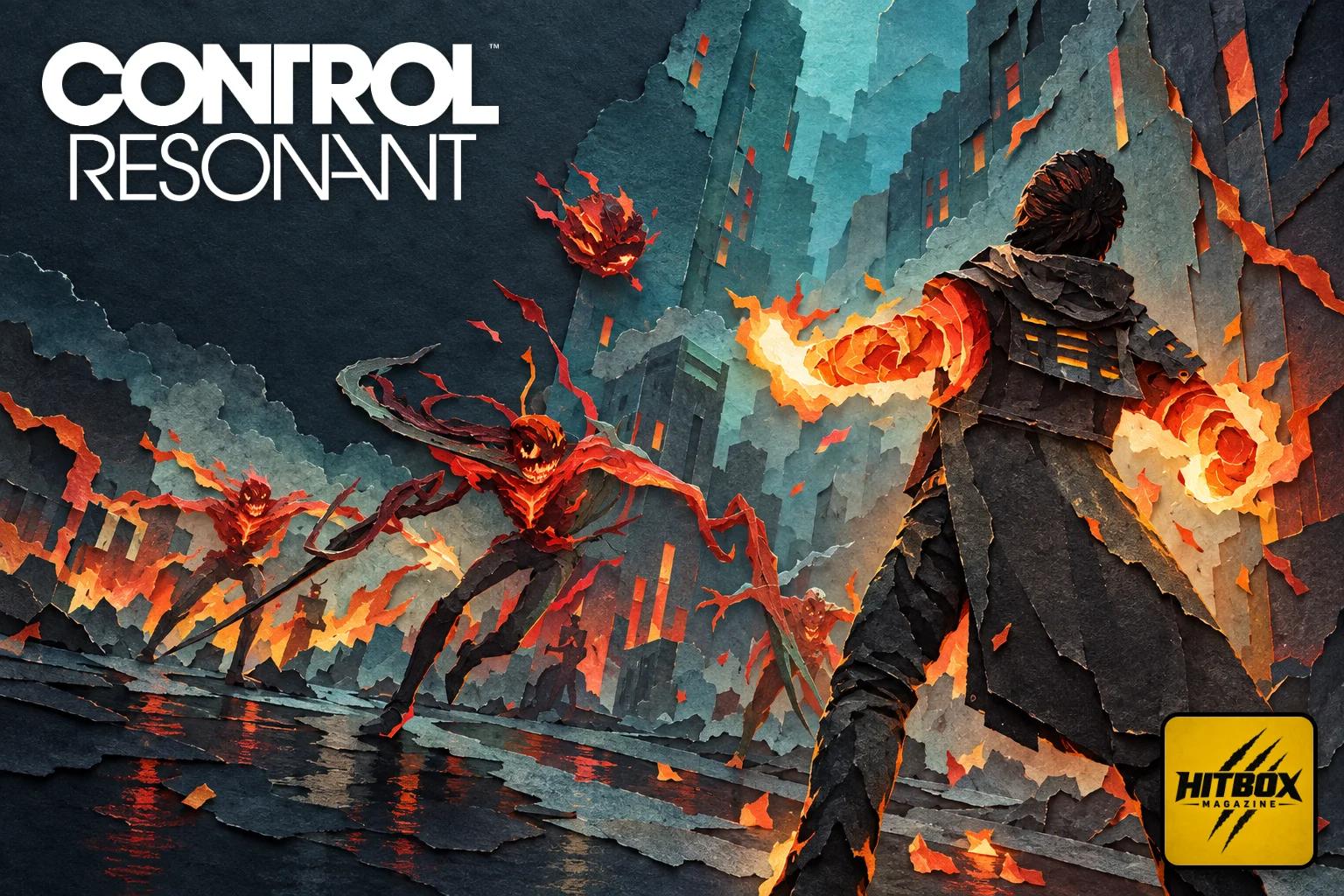
Remedy Entertainment pushed a hotfix into Control Resonant an hour before the game went on sale worldwide on 24 September. The Finnish studio cut the base health of most enemies, lowered the number of hits needed to stun them and gave Dylan Faden more punch across the opening hours. Shipping a balance patch before launch day is unusual, and it answers feedback the studio gathered before anyone had paid for the game. The same hotfix then caused a problem nobody had planned for on PC, where a full 92 GB download came back from nowhere.
At a glance
Hotfix 1.3.3 lowers the base health of most enemies, including the Dancer and Deserter bosses.
PC players who had pre-loaded had to download the whole 92 GB game again at launch.
Remedy raised the strength caps and permanently cut the cost of respeccing.
A hotfix that landed before the game did
The timing is worth a pause. Control Resonant launched worldwide on 24 September, and the announcement Remedy Entertainment published on Steam says the studio deployed hotfix 1.3.3 that same day, after watching early player data and reading the first reviews.
Remedy writes that the team spent a great deal of time with the finished build over the past few weeks and followed the feedback closely. Three things are named outright: enemy health pools that felt too high, too many hits required to Falter an enemy and open up an execution, and a Dylan Faden who felt underpowered early on.
Fixing the balance before release changes what a day-one patch means. Studios usually let a full week of play go by before touching difficulty curves.
What hotfix 1.3.3 changes in combat
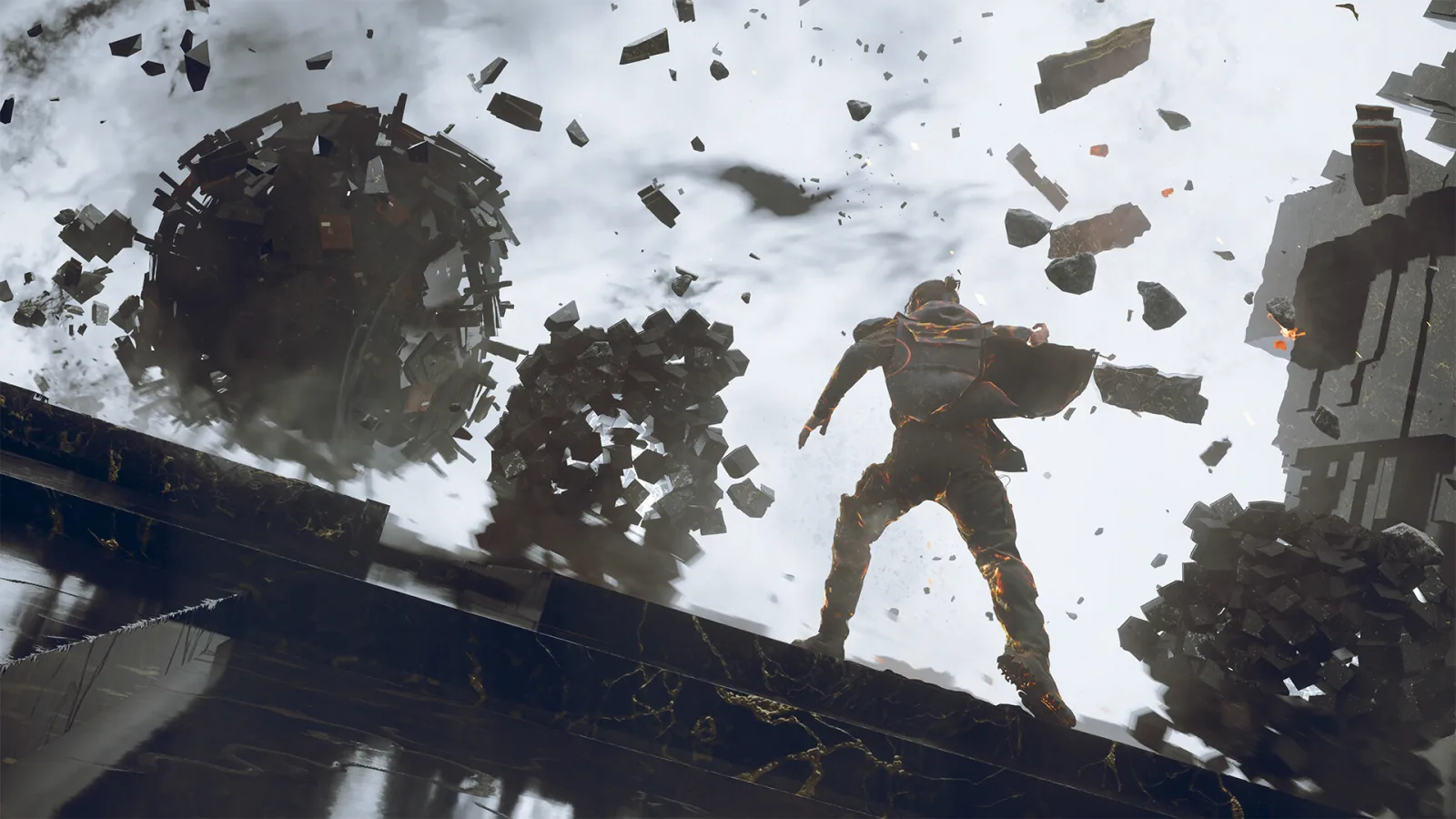
The change list in Control Resonant runs to a handful of lines, and each one touches the rhythm of a fight. Remedy lowered base health and the required Falter level on most enemies, the Dancer and Deserter bosses included. On the other side of the ledger, maximum Aberrant Strength and maximum Ability Strength both go up.
Those increases follow a curve, with progressively larger gains towards the end of the campaign. The more upgrades a player banks, the wider the damage gap grows in their favour. Remedy says it wants to keep a real challenge while removing the sense of hitting a sponge during the first few hours.
Two further tweaks come with the package. Respeccing is permanently cheaper, vendors across the game carry more Reset Items, and the first Resonant boss, The Artist, now drops two of them instead of one. The intent is stated plainly: get players building and rebuilding rather than settling on whatever worked first.
Falter is the mechanic doing the heavy lifting here. It is a stagger gauge that has to be filled before a finisher opens up, so lowering that threshold shortens every exchange in Control Resonant. The benefit shows up most against groups, where the stacking of hits turned a routine fight into a test of patience.
Two interface strings also change in English to clear up an old confusion. Aberrant Strength read “Multiplier X%” and now reads “Damage and Falter X%”, while the Build Power tooltip spells out what feeds the number. Localisations will follow.
Assist Mode, the other answer to difficulty
The studio also points players towards Assist Mode, tucked into the Gameplay section of the options. Sliders there govern enemy aggression, incoming damage and how quickly Dylan recovers his abilities in Control Resonant.
Remedy makes a point of saying the sliders work in both directions, so a player can use them to make the game harder. Tools of this kind have become standard in single-player releases, and Control Resonant puts them within reach from the opening scene.
For anyone coming to the series cold, the studio stresses one thing: the campaign stands on its own without the first game. Dylan’s story opens on its own terms.

The 92 GB that PC players had to fetch twice
The side effect came from a direction nobody was watching. Because the hotfix went live an hour before the servers opened, players who had pre-loaded on Steam were handed a fresh 92 GB download. GamesRadar carried the studio’s reply, in which Remedy calls it an oversight on its part and apologises to everyone affected.
Anyone who follows PC releases knows the mechanism. Control Resonant ran into it at the worst possible hour: a patch dropped too close to launch invalidates the files already on disk, and the platform starts again from scratch. Pre-loading loses its entire purpose, and it does so for the most organised players.
On consoles, Push Square reports that the Control Resonant patch was live on PS5 from day one. Insider Gaming documented the re-download that PC players were put through.
Seven years of work behind Control Resonant
In the launch message published by Remedy Entertainment, creative director Mikael Kasurinen goes back over the length of the project. He talks about seven years of work, features rebuilt and thrown out along the way, and he owns the trial and error in that method.
Two days earlier the studio said Control Resonant had passed two million wishlists across all platforms, a figure published on its own Steam page. The appetite was real, which makes the decision to adjust the balance before release easier to read.
Control Resonant arrives with a studio already in listening mode. Remedy says it will keep following feedback and adjust as needed, and a known issues thread is open on the game’s forums. For a title built around character building and experimentation, what comes next depends on how often those updates land.
Upcoming release dates and major updates are tracked in our games calendar, which you can filter by platform.