Onimusha: Way of the Sword came out on September 4 and marks the series’ return. It’s a game I loved as much as I hated. Capcom delivers a deliberately old-school action game, built around demanding combat and genuinely well-crafted bosses. The rest doesn’t keep up: a Kyoto that’s narrower than you’d hope, enemies that repeat, and side quests that start to loop fast. Here’s what kept me hooked, what wore me down, and who I’d actually recommend it to.
At a glance
Combat built on timing, parries and counters is the game’s biggest success.
Bosses demand you learn their attacks and deliver the best moments of the adventure.
A small bestiary, a compact Kyoto and repetitive side quests hold the whole thing back.
Onimusha: Way of the Sword’s combat rewards precision
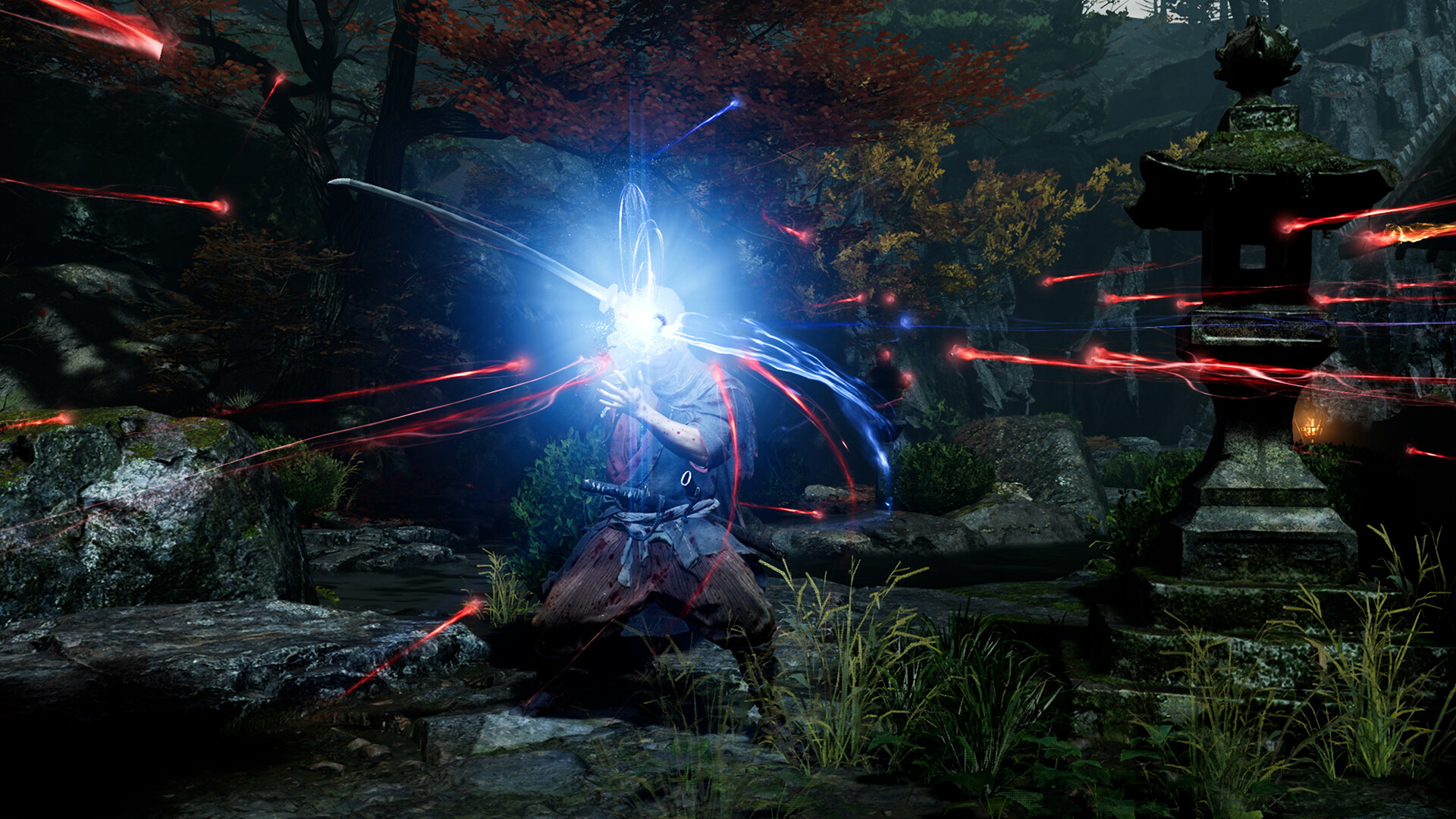
Everything starts with the combat. The basics click quickly, and the game gets genuinely interesting once you realize it values reading your opponent far more than aggression. You watch the incoming attack, choose between a parry and a dodge, and strike at the right moment. Everything comes down to timing.
The counter sits at the heart of the system. Landing an action at exactly the right moment deals huge damage and brings enemies down far faster than a string of regular hits. That counter is what gives the game its whole flavor. When it lands, every win feels earned, and precision really pays off.
On top of that foundation, the game adds modern progression with weapons, skills and upgrades to unlock. Nothing revolutionary, but it gives you a good reason to explore and to come back to fights with new tools.
Bosses that justify the trip on their own
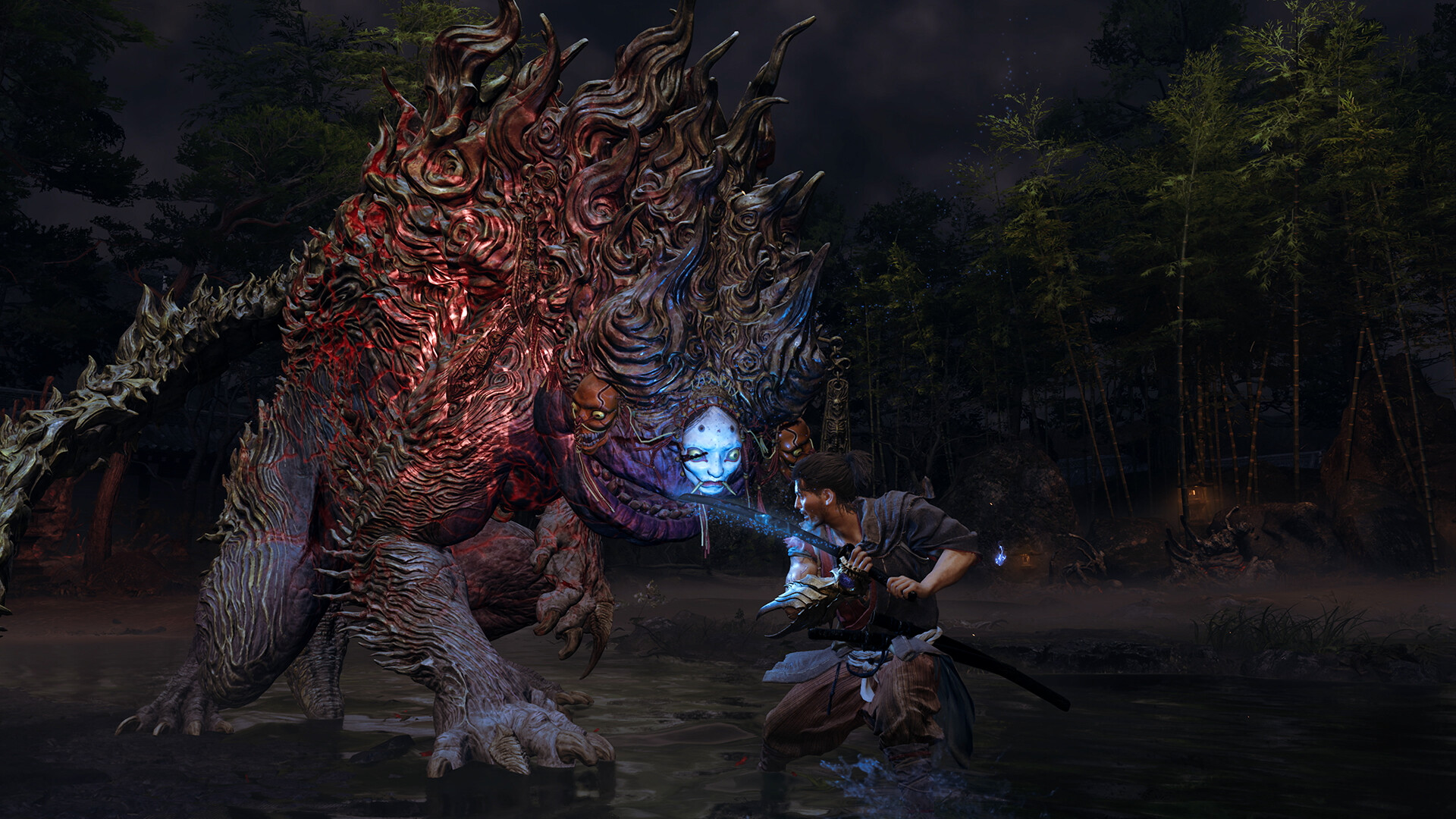
If I had to keep one memory of the game, it would be the bosses. Each one makes you study its combos, spot its openings and use everything the combat system allows. You need to learn their patterns and master the mechanics to beat them, which is what makes every win satisfying.
The presentation keeps pace. The game looks solid overall, but it’s during these fights that effects and animations get the most care. That’s where the game shows its very best.
Two difficulty levels for two kinds of players
Difficulty depends heavily on the mode you pick, which is good news for anyone wary of demanding games. Story mode, as Game Informer explained in its piece on the easy mode, reduces the damage you take, widens parry windows and shows on screen which button to press and when. It’s a smart way to teach the parry system to players who usually steer clear of it. Action mode, on the other hand, asks for real mastery.
For players who want even more, a tougher mode exists, but it only unlocks after you finish the game once, as PC Gamer reported. So the starting choice stays simple: Story to discover the game, Action to test yourself against it.
Kyoto looks great but feels too narrow
This is where my enthusiasm drops. Kyoto isn’t really an open world: it’s a set of fairly compact areas linked by a few branching paths. The game stays very linear, even if some districts give you a little more freedom.
Exploring lets you pick up loot, upgrade your gear and take on side activities, but it stays limited. Side missions are too alike, with several objectives built on the same mechanics. Eventually you do them out of obligation rather than curiosity.
The setting itself sometimes lacks variety, with streets and props that keep coming back. Regular enemies follow the same path: the bestiary is fairly small, and ordinary fights get repetitive well before the end.
Musashi and the Onimusha legacy
The game holds on tightly to the identity of the older Onimusha titles. You find the series’ spirit in the tone, the combat and the demons, with more modern progression layered on top. For a longtime fan, that return feels comforting.
Miyamoto Musashi is a bold choice. Capcom gave him the face of legendary Japanese actor Toshirō Mifune, a process the studio described in an interview with Game Informer. His potential is huge, but in my view his writing lacks depth, and his motivations aren’t always clear.
The storytelling stays approachable, more direct than a soulslike, with supporting characters who get real screen time. You follow the plot without effort.
Who Onimusha: Way of the Sword is for
The ideal player is easy to picture. If you love action games where every fight is won by reading your opponent and nailing the timing, Onimusha: Way of the Sword gives you exactly what you’re after, especially in its boss battles. Fans of the older entries will also recognize an identity they know well, with weapons, skills and upgrades that bring the formula up to date.
Players who are less comfortable with demanding games aren’t left behind. Story mode, with its on-screen prompts and wider parry windows, lets you enjoy the adventure without hitting a wall, and Action mode is there when you want to step things up. That said, if what draws you to an action game is exploring a big world and tackling varied quests, this one may leave you wanting more. The structure simply wasn’t built for that kind of player.
My verdict on Onimusha: Way of the Sword
Onimusha: Way of the Sword is a deliberately traditional action game. Its three pillars, combat, bosses and the series’ identity, all land, and the combat in particular is what I liked most about it. Still, repetitive enemies and quests, limited exploration and an overly compact Kyoto keep it from being the big comeback it could have been.
In the end, I recommend it first and foremost for its combat and its bosses, knowing you’ll have to accept a world that’s narrower and more repetitive than you’d like. For anyone who lives for pure action, Onimusha: Way of the Sword is well worth your time.

| The good | The bad |
|---|---|
| Combat that’s easy to pick up, built on timing, parries and dodges | A small bestiary and repetitive regular enemies |
| Well-crafted bosses that make you read their patterns | A very linear game, despite a few more open areas |
| Two difficulty modes for two kinds of players, with a smart Story mode | Kyoto split into compact zones rather than a true open world |
| Solid presentation, especially during boss fights | Limited exploration and repetitive side quests |
| The identity of the older Onimusha games, with modern progression | Environments that sometimes lack variety |
| Direct, approachable storytelling | A Musashi with huge potential but not enough depth in the writing |
| The big plusThe counter system, which rewards every well-timed action | The big minusRepetition: enemies, side quests and settings come back too often |
To see what’s landing over the next few weeks, the Hitbox release calendar lists every date with its official source.